Emergency Dentist Plano, TX: Steps to Take After a Tooth Gets Knocked Out

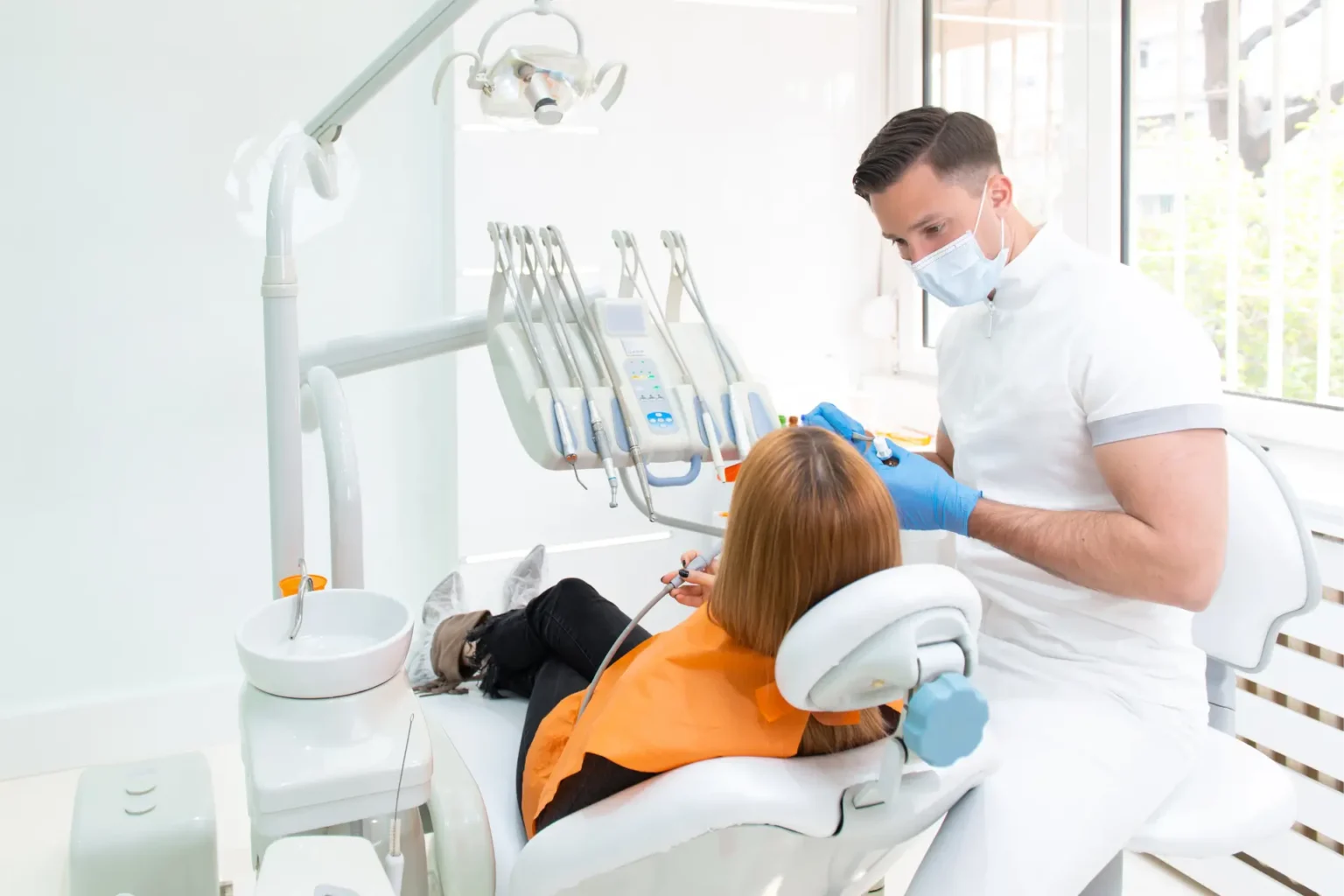
A knocked-out tooth changes the tone of a day in seconds. One minute it is a fall at a playground, a collision during a weekend basketball game, or a slip on a wet kitchen floor. The next minute there is blood, panic, and a Emergency dentist Plano, TX very practical question: what now?
This is one of the few dental emergencies where timing matters almost as much as treatment. If an adult tooth is completely knocked out, the best chance of saving it often comes within the first 30 to 60 minutes. That window is not a guarantee, but it is real enough that every minute counts. I have seen situations go well because someone acted quickly and calmly, and I have also seen salvageable teeth dry out on a napkin while everyone searched online for advice.
If you need an emergency dentist Plano, TX residents should treat this as urgent, not something to sleep on until morning. The right first steps can preserve the tooth, protect the surrounding bone, and make the difference between reimplantation and replacement.
Why a knocked-out tooth is so time-sensitive
When a tooth is avulsed, meaning it is completely displaced from the socket, the injury is not just about the visible tooth. The root surface contains delicate periodontal ligament cells. Those cells help the tooth reconnect to the socket. Once they dry out, the odds of successful reimplantation drop.
That is why dentists focus so heavily on how the tooth is handled before the patient even arrives. A tooth that is held by the crown, kept moist, and returned to the socket quickly has a much better outlook than a tooth scrubbed clean and wrapped in tissue.
There is another important distinction here. A baby tooth and a permanent tooth are treated differently. A knocked-out baby tooth is generally not placed back into the socket, because doing so can damage the developing adult tooth beneath it. A knocked-out permanent tooth is a true emergency, especially in children, teens, and adults whose adult teeth have already erupted.
The first few minutes matter most
Panic is understandable, but this is one of those moments where a calm sequence helps. If the injured person is bleeding, upset, or in pain, reassure them first. Then focus on the tooth.
Here are the immediate steps that matter most:
- Pick up the tooth by the crown only, which is the chewing surface you normally see in the mouth. Do not touch the root.
- If the tooth is dirty, rinse it gently with milk or saline. If those are not available, use a brief rinse with clean water. Do not scrub it, scrape it, or use soap.
- If possible, place the tooth back into the socket right away and have the person bite gently on clean gauze or cloth to hold it in place.
- If it cannot be reinserted, keep it moist in cold milk, saline, or inside the person’s cheek if they are old enough not to swallow it. Do not store it dry.
- Call an emergency dentist Plano, TX office immediately and head in without delay.
Those five steps cover the essentials. They sound simple on paper, but they are often mishandled in real life. Parents wrap the tooth in a paper towel. Coaches rinse it under hot water. Well-meaning bystanders wipe off the root because they think they are helping. Each of those mistakes can lower the chance that the tooth survives.
If you can put the tooth back in, do it carefully
This is the part that makes many people nervous. Understandably so. But if the tooth is a permanent tooth and the person is cooperative, immediate reinsertion is often the best thing you can do.
Line the tooth up correctly before you try. The smooth side should face outward and the tongue side should face inward. Gently guide it into the socket with light pressure. It should not be forced. If it slides into place, have the person bite softly on gauze to stabilize it. That buys time until the dentist can secure it properly with a splint.
If the tooth will not go in easily, stop. Do not push hard. Preserve it in milk or saline and get to the dentist. Forcing a tooth into the wrong position can create additional damage.
One detail people often miss is that blood in the mouth is normal after this kind of injury. It can look dramatic even when the injury is localized. Gentle pressure with gauze usually helps. What you do not want is vigorous rinsing, spitting, or repeated checking of the site, because that can disturb the area further.
What to use if reinsertion is not possible
Not everyone can place a tooth back into the socket, and sometimes circumstances make it unrealistic. A very young child may be too distressed. The patient may be nauseated, confused, or at risk of swallowing it. In those cases, the goal shifts to moisture and speed.
Cold milk is usually the practical favorite because it is easy to find and tends to be kinder to the root surface than dry storage. Saline is also a good option. Some first aid kits and athletic trainers carry tooth preservation solutions, which are ideal when available, but most people will not have one nearby.
Water is better than letting the tooth dry out, but it is not the best storage medium if milk or saline is available. Tissue, gauze, pockets, and paper towels are poor choices because they dry the root quickly. I have seen teeth arrive at a dental office wrapped neatly in a dry napkin, handled with great care but stored in the worst possible way.
What an emergency dentist will do once you arrive
At the dental office, the first job is to assess the tooth, the socket, and the supporting structures. That usually includes an exam and dental X-rays. The dentist is not only checking whether the tooth can be replanted or stabilized, but also whether there is a root fracture, a socket fracture, damage to neighboring teeth, or debris embedded in the soft tissue.
If the tooth has already been put back in the socket, the dentist will evaluate the position and then stabilize it with a flexible splint, often for a week or two, sometimes longer depending on the injury. If the tooth has been kept moist outside the mouth, the dentist may rinse the area, reinsert the tooth, and splint it. The patient may also need a tetanus update if the injury happened in a dirty environment, and sometimes antibiotics are prescribed based on the circumstances.
Root canal treatment is often part of the longer-term plan for many replanted adult teeth, especially if the root is fully developed. That does not mean the effort failed. It means the dentist is trying to preserve the tooth and reduce the risk of complications such as resorption or infection.
The initial emergency visit is only the beginning. Follow-up matters. A knocked-out tooth can look stable in the first week and still develop problems later. That is why monitoring over the next several months is standard.
Pain, swelling, and bleeding, what is normal and what is not
Some bleeding right after the injury is expected. So is soreness in the tooth, lip, or gum. Swelling may build over the first day. Many patients also have bruising on the lip or face, especially after sports injuries or falls.
Pain control usually starts with common over-the-counter medications, assuming the patient can safely take them and has no medical reason to avoid them. Soft foods, cold compresses on the outside of the face, and good hydration also help. The patient should avoid biting into hard foods with the injured area until the dentist gives clear guidance.
There are situations that deserve even more urgency. Significant facial swelling, uncontrolled bleeding, dizziness, vomiting after the injury, loss of consciousness, or suspected jaw fracture point to a broader medical issue, not just a dental one. In those cases, emergency medical care may come first, with dental treatment coordinated alongside it.
When the tooth belongs to a child
This is where judgment matters. Parents often assume the same steps apply whether the tooth is baby or permanent. They do not.
A knocked-out baby tooth is usually not reinserted. The risk is damage to the developing permanent tooth underneath. The priority becomes controlling bleeding, keeping the child comfortable, and getting prompt dental evaluation. The dentist still needs to examine the area because the injury may affect adjacent teeth or the bone.
With school-age children, there is sometimes confusion about whether the lost front tooth is a baby tooth or a permanent one. In general, the lower front adult teeth erupt around age 6 to 7, and the upper front adult teeth often follow shortly after. But eruption patterns vary. If there is any doubt, treat it as urgent and call a dentist right away. A quick conversation with an experienced front desk team or clinician can help determine the next move.
Mistakes that reduce the chance of saving the tooth
These are the errors that show up again and again in real emergencies:
- Holding the tooth by the root instead of the crown.
- Scrubbing the tooth clean with a brush, cloth, or fingers.
- Letting the tooth dry out while arranging transportation.
- Assuming it can wait until the next day because the bleeding slowed down.
- Reimplanting a baby tooth without professional guidance.
Most of these mistakes come from trying to be helpful. The problem is that a knocked-out tooth is biologically fragile in a way that is not obvious. It may look like a hard object that can simply be rinsed off and set aside. In fact, its surface cells are the whole story.
Sports injuries, falls, and everyday accidents
A lot of people associate knocked-out teeth with contact sports, and that is certainly common. Football, basketball, baseball, hockey, martial arts, and skateboarding all produce their share of dental trauma. But many cases come from far less dramatic moments. I have seen avulsed teeth from tripping over a dog leash, slipping near a pool, and opening a car door into a child who was running past.
The mechanism of injury matters because it often hints at other damage. A direct blow from a baseball may fracture neighboring teeth or split the lip. A face-first fall can bruise the bone around the socket. An elbow during a game may loosen several teeth even if only one is completely out. That is one reason X-rays and a careful exam are essential even when the lost tooth seems to be the main issue.
For athletes, prevention is simple in theory and inconsistent in practice. A properly fitted mouthguard reduces risk, especially for children and teens in organized sports. Store-bought guards are better than nothing, but custom-fitted guards usually offer a more secure fit and better compliance because they are easier to wear and breathe through.
What if the tooth cannot be saved?
Sometimes the tooth has been dry too long, the root is badly damaged, or the surrounding injury is too severe. That is disappointing, but it is not the end of the road.
A dentist will discuss replacement options based on age, bone development, budget, and long-term goals. For adults, that may include a dental implant, a bridge, or a removable temporary option while healing progresses. For children and teenagers who are still growing, the timing of definitive replacement can be more complicated because implants are usually delayed until growth is complete.
This is where emergency care still matters, even if the original tooth cannot be replanted successfully. Preserving the socket, controlling infection, and protecting the surrounding bone all influence the quality of future treatment. Quick action can still improve the final outcome, even when it does not save the natural tooth.
What to expect after reimplantation
People often think the crisis ends once the tooth is back in place. Realistically, that is the start of a monitoring period. The tooth may need splinting, follow-up X-rays, and testing over time. The dentist is watching for healing, pulpal changes, infection, and root resorption.
Diet is usually modified for a while. Soft foods, careful brushing, and often a chlorhexidine rinse may be advised depending on the case. Patients should avoid biting directly into firm foods like apples, crusty bread, or pizza crust with the injured front teeth during early healing.
There is also the emotional side. Adults worry about appearance, especially when the injury involves a front tooth. Parents worry whether the tooth will darken or fail months later. Teenagers may be upset about Emergency dentist Plano, TX sports participation or photos. A good dental team addresses those concerns directly. The emergency is biological, but the experience is personal.
Finding the right emergency care in Plano
If you are searching for an emergency dentist Plano, TX patients should look for a practice that can see dental trauma promptly and has experience with avulsed teeth, not just toothaches. Ask whether the office handles same-day emergencies, whether they can evaluate traumatic injuries right away, and what to do while you are on the way in.
During the call, be ready to answer a few practical questions. Was the tooth a baby tooth or a permanent tooth, if known? How long has it been out? Is it back in the socket already? Has it been stored in milk or saline? Was there a fall, sports impact, or possible head injury? Those details help the clinical team prepare before you arrive.
If the injury happens after hours, do not let that become a reason to wait. Many offices have emergency instructions or an on-call process. If you cannot reach a dentist and there are signs of broader trauma, go to urgent care or the emergency room, especially when facial injury, head injury, or uncontrolled bleeding is part of the picture.
A practical mindset that helps in the moment
The people who handle this best are not necessarily the calmest by nature. They are the ones who focus on the next correct action. Pick up the tooth properly. Keep it moist. Reinsert it if appropriate. Get professional help fast.
That practical sequence saves time, and time is what this injury demands. A knocked-out tooth is not a wait-and-see problem. It is a same-hour problem. The right response in the first few minutes can preserve a natural tooth for years, sometimes decades.
For families in particular, it is worth talking through this before you ever need it. Coaches, parents, and older kids should know the basics. If a dental injury happens on a Saturday afternoon or after a school game, there is no time to learn from scratch. The more familiar the steps are, the better the response will be.
A knocked-out tooth feels chaotic, but the path forward is straightforward. Protect the root. Keep the tooth alive. Move quickly. Then let an experienced emergency dentist take it from there.
Vitality Dental
1220 Coit Rd # 106, Plano, TX 75075, United States
+1 972-645-4100
FAQ About Emergency dentist Plano, TX
Will the ER do anything for dental pain?
An emergency department can assess urgent symptoms and provide medical stabilization. Definitive treatment of the tooth usually requires a dentist. Seek emergency medical care for breathing or swallowing difficulty, uncontrolled bleeding, or serious facial injury.
What to do if I have a dental emergency in the middle of the night?
Contact a dentist or after-hours dental service promptly for guidance. If a permanent tooth is knocked out, keep it moist in milk while seeking immediate care. If symptoms suggest a medical emergency, go to an emergency department.
What qualifies as a dental emergency?
A knocked-out permanent tooth, severe or persistent tooth pain, a significant dental injury, or swelling may require urgent dental assessment. Call a dentist to describe the symptoms and determine timing. Uncontrolled bleeding or difficulty breathing or swallowing requires emergency medical care.