Dental Emergency Advice for Athletes and Active Families
A dental injury has a way of disrupting a perfectly ordinary day. One moment a child is sliding into second base, a parent is finishing a pickup basketball game, or a teenager is taking a hard check on the hockey boards. The next, there is blood in the mouth, a chipped front tooth, a loose permanent tooth, or a lip that seems more frightening than it may actually be. Dental emergencies in active households rarely happen at a convenient time. They happen on weekends, on the road, during tournaments, after school, and often when the regular dentist is closed.
Athletes and active families deal with a specific kind of risk. The injuries are not random. They follow patterns, and those patterns matter because the first ten to thirty minutes can shape the outcome. A knocked-out tooth can sometimes be saved. A cracked tooth can sometimes Dental Emergency Vitality Dental be protected from turning into a root canal later. A split lip may look dramatic but be manageable, while a barely visible blow to the front teeth can hide damage that needs prompt care.
Knowing what to do in a dental emergency is not about staying perfectly calm or pretending you are a clinician on the sidelines. It is about recognizing what matters most, avoiding a few common mistakes, and getting the right care quickly.
Why sports and active routines create a different kind of dental risk
People often Dental Emergency think of dental problems as cavities, toothaches, or delayed sensitivity after cold drinks. Sports injuries are different. They are mechanical injuries involving force, impact, compression, and sometimes dehydration or fatigue layered on top. Mouthguards help, but they do not eliminate risk. Elbows still connect. Bicycle tires still skid. Pool decks are still hard. Trampolines, scooters, skateboards, and monkey bars are as responsible for dental trauma as organized sports.
Age changes the picture. Younger children often injure baby teeth, and that brings a different decision-making process than injuries to permanent teeth. Teenagers and adults are more likely to damage permanent teeth, restorations, orthodontic brackets, or implants. The timing of treatment matters because the biology is time-sensitive. A tooth that has been out of the mouth for fifteen minutes has a better chance than one that has been dry for an hour. A tooth that feels only mildly loose after a collision can still have ligament or nerve injury that shows up days later.
That is why a Dental Emergency in an athletic setting is rarely just about pain. It is also about preserving function, appearance, speech, and future treatment options.
The first few minutes: what to do before you start driving
The initial response should be simple. Control bleeding, check for missing tooth fragments, and determine whether the injured person may also have a more serious head, neck, or jaw injury. If there was loss of consciousness, vomiting, severe dizziness, confusion, difficulty opening or closing the jaw, or a suspected fracture, the situation moves beyond dentistry alone. Medical evaluation becomes the priority.
If the injury appears isolated to the mouth, these first steps are usually the most helpful:
- Rinse the mouth gently with clean water to clear blood and debris.
- Apply firm pressure with clean gauze or a towel if there is active bleeding.
- Use a cold compress on the outside of the face in ten-minute intervals to reduce swelling.
- Locate any tooth or fragment, handling a whole tooth only by the crown, not the root.
- Call a dentist immediately, even if the pain seems mild.
That sounds straightforward, but small details matter. Vigorous rinsing can dislodge a forming clot. Scrubbing a knocked-out tooth can damage the living cells on the root surface that help it reattach. Sending an athlete back into the game after “just a little chip” can turn a manageable fracture into a more serious one if the tooth has become unstable.
When a tooth gets knocked out
This is the injury families fear most, and for good reason. A permanent tooth that is completely knocked out, what dentists call an avulsed tooth, needs prompt action. Time and moisture are critical.
If it is a permanent tooth, pick it up by the visible chewing or biting part, the crown. If it is dirty, rinse it very briefly with milk or saline, or with clean water for a second or two. Do not scrub it. Do not wrap it in tissue. If the person is alert and cooperative, and if you can clearly identify the socket, gently place the tooth back into position and have the person bite softly on gauze to hold it there. If reimplanting it on the spot feels unrealistic, keep the tooth moist in cold milk or a tooth preservation solution if one is available. Saline is acceptable. Inside the cheek can work for an older teen or adult who will not swallow it, but that is not ideal for a young child.
A baby tooth is different. Do not try to reinsert a knocked-out baby tooth. That can injure the developing permanent tooth beneath it. A dentist still needs to evaluate the child, but the goal is different.
The gap between those two situations is where many mistakes happen. I have seen well-meaning adults rush to save a primary tooth because they assumed every tooth should go back in. I have also seen permanent teeth transported dry in a napkin, which sharply lowers the chance of success. The distinction matters.
Chipped, cracked, or displaced teeth are not minor by default
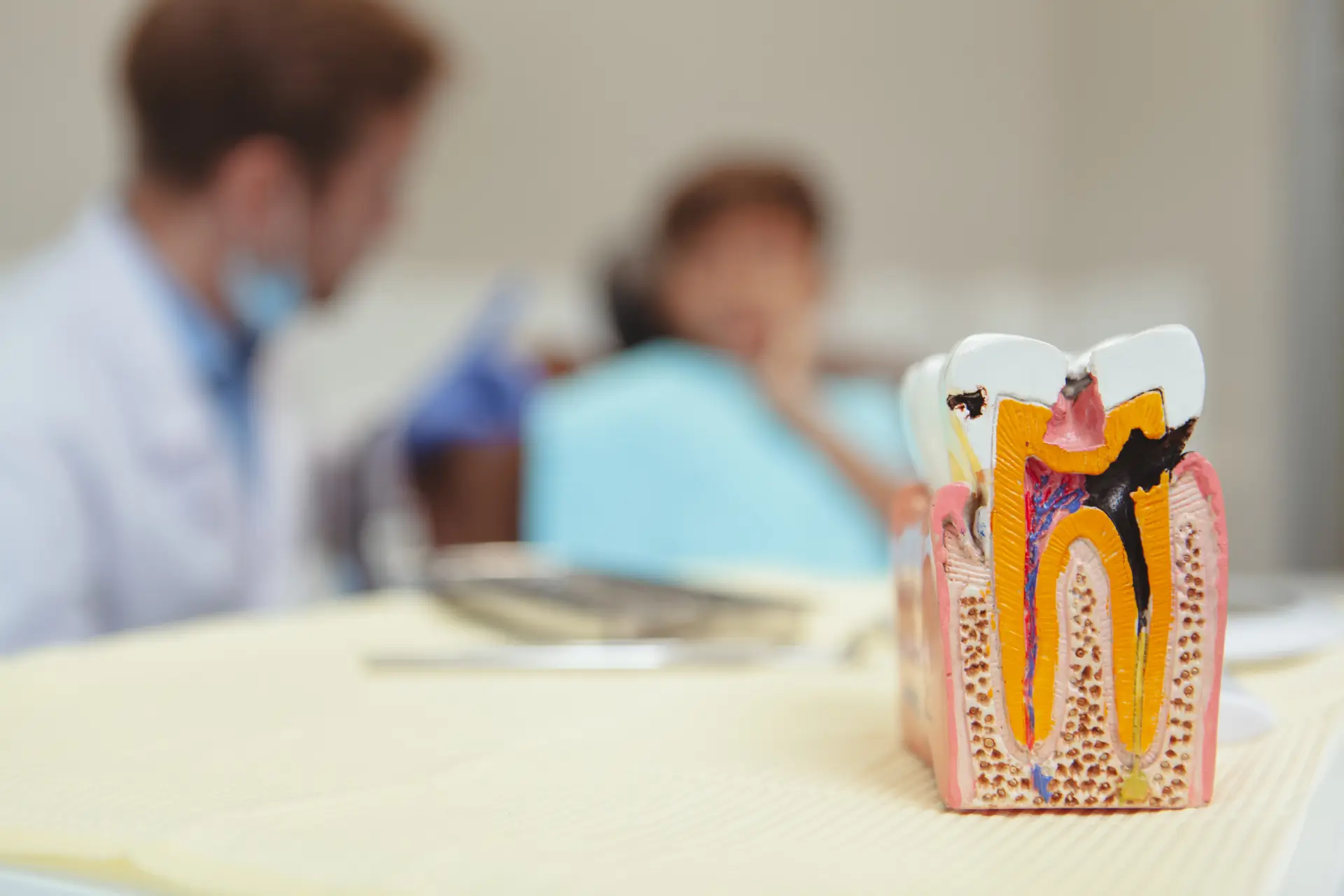
A chip can range from a rough edge in the enamel to a fracture that exposes the inner dentin or the pulp. The smaller the break, the less dramatic it may seem. That does not always correlate with severity. Front teeth in particular may look only slightly shortened while still sustaining significant trauma to the nerve or supporting ligament.
If you can find the broken fragment, save it and bring it with you. Occasionally it can be bonded back. Rinse the mouth, apply cold compresses, and avoid chewing on that side. If a tooth has shifted out of position, feels longer than the neighboring tooth, or the bite suddenly feels “off,” that deserves urgent evaluation even when bleeding is minimal.
Sports families often underestimate these injuries because the athlete can still talk, drink, or even smile. In practice, a displaced tooth and a cracked tooth both deserve prompt attention. The window for repositioning and splinting a tooth is better earlier than later, before swelling, clotting, and bite changes complicate the picture.
What a loose tooth means after impact
A tooth that wiggles after a hit may be suffering from damage to the periodontal ligament, the tiny structures that anchor the tooth to bone. Sometimes the tooth has been partially displaced. Sometimes there is a root fracture hidden under the gum. Sometimes the looseness resolves with splinting and a soft diet. Sometimes the pulp loses vitality and the tooth changes color over time.
This is one reason I advise active families not to wait for “real pain” before calling. Teeth can be injured deeply and quietly. A dull ache when biting, a feeling that the tooth is taller than the rest, tenderness in the gum above the tooth, or an odd metallic taste from bleeding around the gum line all justify a same-day or next-day exam.
With children, the picture gets more complicated. Baby teeth can move in ways that threaten the permanent teeth developing underneath. A child may also struggle to describe what feels wrong. If speech sounds different, the child avoids biting, or one front tooth suddenly sits farther back than the other, assume it needs professional review.
Soft tissue injuries often look worse than they are, but not always
Lips, cheeks, and tongues bleed heavily because they have a rich blood supply. That can make a relatively small laceration look alarming. Most minor cuts respond to direct pressure and cold compresses. The challenge is deciding when the injury is deeper than it appears.
A lip split that crosses the border where the pink lip meets the facial skin usually deserves careful evaluation because alignment affects healing and appearance. A tongue cut that continues to bleed, gapes open, or interferes with swallowing may need treatment. A cheek laceration can trap tooth fragments or dirt. Sometimes what appears to be “just a cut lip” is caused by a sharp tooth edge that continues to slice tissue with every movement.
If the bleeding does not slow after ten to fifteen minutes of consistent pressure, or if there is visible embedded debris, seek urgent care. If the cut is paired with a broken tooth, bring that information forward immediately. The fragment may be lodged in the soft tissue, and a simple x-ray can help identify it.
Jaw injuries are easy to miss in the chaos
A person can break or dislocate the jaw and still walk into the house. The clues are often subtle at first. The teeth no longer meet normally. The chin feels numb. Opening wide becomes difficult. There may be pain near the ears, especially with biting. Swelling along the jawline can develop slowly over an hour or two.
This is one area where “toughing it out” causes trouble. Athletes are conditioned to downplay pain. Parents are conditioned to triage rapidly. If the bite is clearly off after trauma, the jaw deserves medical attention, not just a quick glance at the front teeth.
Toothaches during sports travel count too
Not every Dental Emergency is a collision. Active families travel, and travel exposes weak points. A child with a loose filling develops throbbing pain in a hotel room. A parent cracks a back tooth on trail mix in the car. An athlete wearing aligners or braces develops gum swelling and pressure during a tournament weekend.
Pain without visible trauma can still be urgent. Swelling in the face or gum, pain that wakes someone from sleep, fever, or a bad taste draining into the mouth may signal infection. Those are not wait-and-see problems. They may require antibiotics, drainage, or definitive dental treatment as soon as possible.
By contrast, fleeting cold sensitivity after a chip or mild soreness in the jaw muscles after clenching is less urgent, though still worth monitoring. Judgment matters. The practical rule is simple: swelling, worsening pain, or changes in the bite raise the level of concern.
What to keep in a family sports dental kit
Most parents prepare for scrapes and sprains, but few carry supplies specifically for the mouth. A small pouch in a sports bag can make a measurable difference when minutes count.
- Sterile gauze pads
- A small container with a lid
- Saline or bottled water
- Instant cold pack
- Dental preservative solution, if you can get one
That is enough for most sideline situations. Milk from a concession stand can substitute if no preservative solution is available. Gloves are helpful but not essential if they are not immediately available and the situation is urgent. What matters more is knowing not to let a knocked-out permanent tooth dry out.
Mouthguards help, but only if they fit and get used
There is a persistent gap between what families know and what they actually do. Many understand that mouthguards reduce risk, but compliance drops quickly outside football, hockey, and boxing. Basketball, baseball, softball, skateboarding, mountain biking, gymnastics, and recreational trampoline use generate plenty of dental trauma too.
The best mouthguard is the one that is worn consistently and fits well enough that the athlete can breathe and speak comfortably. Stock mouthguards are better than nothing, but they tend to be bulky and unstable. Boil-and-bite guards can work reasonably well for many families if they are molded carefully and replaced when worn down. A custom mouthguard from a dentist generally offers the best fit and retention, especially for athletes with braces or a history of dental trauma.
I have watched teenagers resist wearing a guard because it feels awkward, then change their minds completely after a teammate chips a front tooth. The cost calculation becomes very clear in that moment. A mouthguard is cheap compared with bonding, veneers, crowns, root canal treatment, or years of monitoring a traumatized tooth.
Orthodontic emergencies on active weekends
Braces introduce a separate category of urgent problems. A broken bracket may not be truly emergent, but a wire poking into the cheek can ruin sleep, meals, and an athlete’s patience in a hurry. Orthodontic wax solves many short-term issues. A clean pencil eraser can sometimes nudge a wire into a less irritating position. If a wire is deeply embedded or the bracket has rotated sharply, contact the orthodontist.
The more serious issue is impact to teeth that are already moving under orthodontic force. Even if nothing appears broken, the orthodontist and dentist should know about a significant blow to the mouth. Teeth under active movement may respond differently to trauma, and appliances can hide subtle displacement.
Children need a slightly different response than adults
Parents often want a universal set of rules, but pediatric dental trauma does not behave exactly like adult trauma. A toddler who falls into a coffee table may push a baby front tooth upward into the gum rather than knocking it out. That can look strange and often causes panic, but treatment depends on the direction of displacement, the child’s age, and the relation to the developing permanent tooth. Forcing things at home is never the answer.
Children are also more likely to have mixed dentition, where baby teeth and permanent teeth are both present. If you are unsure whether a knocked-out tooth is baby or permanent, call immediately and describe the child’s age and the location of the tooth. Around ages six to eight, front teeth may be in transition. A dental office can help you decide the safest next step very quickly.
Pain control also differs by age. Younger children may refuse ice, spit out blood-tinged saliva repeatedly, and become more distressed by the adults’ anxiety than by the actual injury. A steady tone, a towel for the mess, and very clear reassurance do more than parents expect.
After the urgent visit, the story is not always over
One of the most misunderstood aspects of a dental emergency is that treatment often continues after the visible crisis has passed. A tooth can be repositioned and splinted, look excellent at two weeks, and then show nerve damage months later. A front tooth can darken slowly. A root can begin resorbing. A seemingly minor impact can leave a tooth sensitive to biting for a long time.
That is why follow-up matters. Dentists often recommend repeat exams and x-rays over months or even years, depending on the injury. This is not overcautious. It is how traumatic injuries declare their long-term effects. Families who miss follow-up sometimes return only when discoloration or infection becomes obvious, at which point treatment is more involved.
For athletes, the return-to-play discussion is practical. A healing tooth or splint may mean modified participation, a temporary pause, or strict mouthguard use during recovery. This can be frustrating in-season, but the alternative may be a preventable setback.
The mistakes families make most often
The pattern is familiar. Someone waits too long because the athlete says they are fine. A knocked-out tooth is transported dry. Bleeding is checked every thirty seconds, which prevents clotting. A sharp broken edge cuts the lip all evening because nobody realizes a dental wax or gauze barrier could have reduced the trauma. A child with a displaced tooth is put to bed and seen “if it still hurts tomorrow.”
None of that comes from negligence. It comes from stress, uncertainty, and the understandable instinct to prioritize visible injuries over hidden ones. The good news is that a few practical habits sharply improve outcomes. Know your dentist’s after-hours number. Keep a small dental kit in the sports bag. Treat bite changes as urgent. Learn the difference between a baby tooth and a permanent tooth emergency. Encourage mouthguard use before a dramatic story makes the point for you.
When the emergency room makes sense, and when it does not
Emergency rooms are essential for facial trauma with possible concussion, jaw fracture, uncontrolled bleeding, deep lacerations, or breathing concerns. They are less well equipped for definitive dental treatment like splinting a tooth, bonding a fracture, or managing a dislodged crown. Families are often surprised to learn that the ER may provide pain control and medical clearance, then advise prompt dental follow-up.
That does not mean the ER is the wrong choice. It means the choice depends on the injury. If the person has a possible head injury or significant facial trauma, start there. If the issue is an isolated chipped or knocked-out tooth and the person is otherwise medically stable, a dentist is usually the right first call.
Building a family plan before you need one
Preparation lowers panic. Active families benefit from making a basic plan at the start of each season. Know which dentist handles after-hours emergencies. Save the number in every parent’s phone. If grandparents, coaches, or carpools are regularly involved, make sure they know where the dental kit is and how to reach you. If your child has braces, ask the orthodontist what counts as urgent and what can wait until the next business day.
This planning is not excessive. It is no different from carrying an inhaler, updating a concussion protocol, or keeping emergency contacts current. Dental injuries are common enough in sports and outdoor play that they deserve the same level of readiness.
The central point is simple: not every mouth injury is catastrophic, but very few benefit from guesswork. Prompt, calm, informed action gives athletes and active families the best chance of preserving teeth, reducing pain, and avoiding more complex treatment later. When the moment comes, you do not need a perfect response. You need the right first few moves, and you need them fast.
Vitality Dental
Address: 1220 Coit Rd #106, Plano, TX 75075
Phone number: +19726454100
FAQ About Dental Emergency
What can the ER do for a tooth?
An emergency room (ER) can manage pain and treat severe infections with medication, but it cannot fix or pull a tooth.
What is considered a dental emergency?
A dental emergency is any oral health problem that involves severe pain, uncontrollable bleeding, or an infection that threatens your health or requires immediate care to save a tooth.
Is there a 24-hour dental service in Plano, TX?
There is no physical dental clinic in Plano, Texas, that stays open with walk-in staff 24 hours a day, but several offices offer 24/7 phone support, late-night hours, or same-day emergency care.